
Buying Guide · 6 min read
Fabric Price Guide: What Changes the Cost per Metre
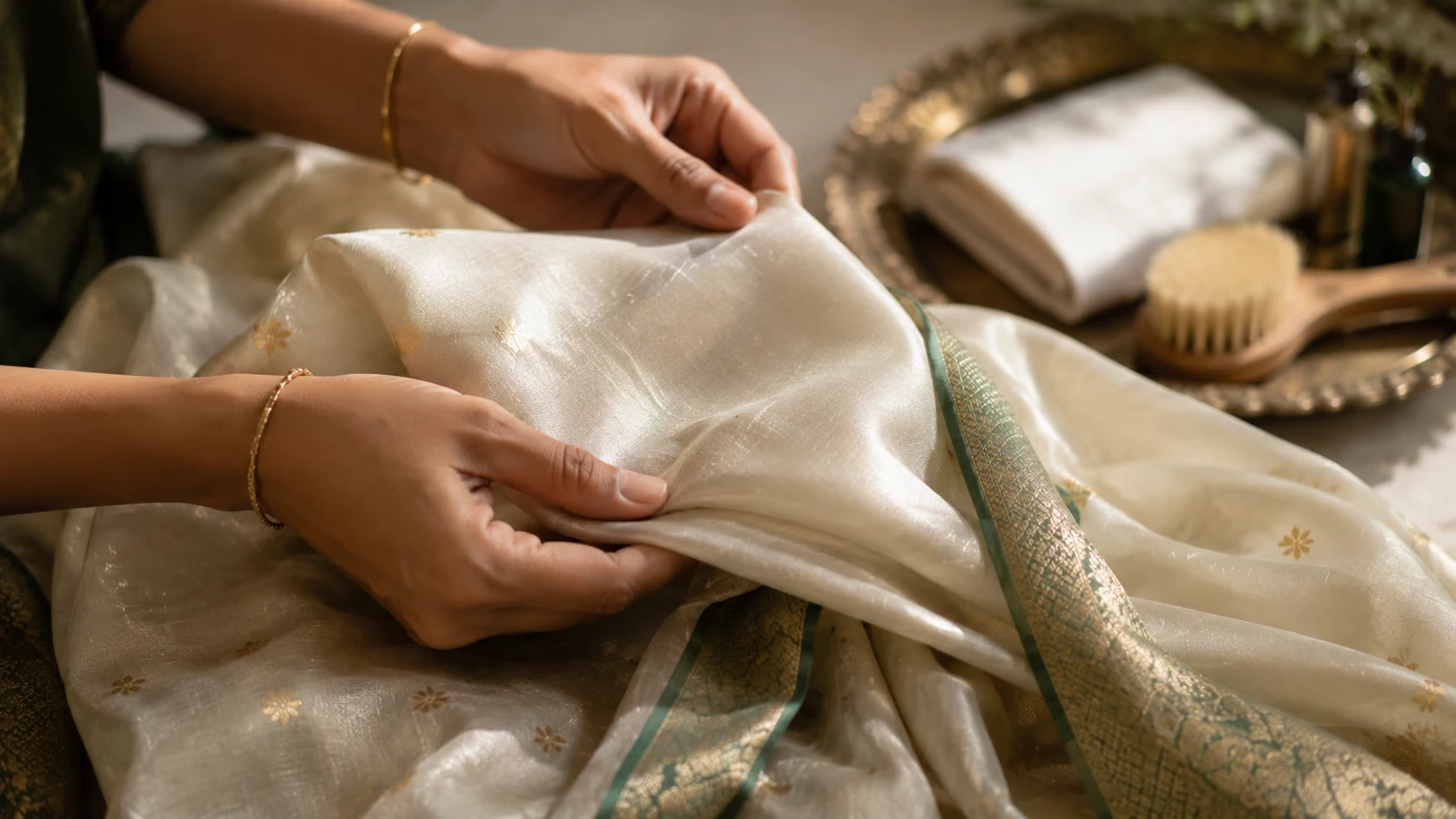
Two fabrics can look almost identical on a screen and differ three-fold in price. Understanding what drives the cost per metre makes you a much better buyer - online or in a market.
The five things that decide price
Fibre
Pure silk, handspun khadi and fine cottons cost more than blends and synthetics. The fibre decides how the fabric ages, how it breathes and how it dyes.
Weave and loom
Handloom takes time and hands; powerloom is faster and cheaper. Jacquard and zari work add loom complexity and cost.
Embroidery and finishing
Hand embroidery is priced by the hour as much as the thread. Machine work, prints and digital finishes cost far less per metre.
Width
58-inch fabric uses more yarn per metre than 44-inch, but needs less length per outfit - compare price per outfit, not price per metre alone.
Zari and metallics
Real and tested zari move the price sharply. Imitation zari keeps the look at a fraction of the cost.
How to judge a fair price online
Ask what a metre of the fabric would cost in a comparable store, and what the fabric is made of. A listing that names the fibre, weight and width is usually priced honestly; one that hides them usually is not.
Compare like with like: a printed cotton at ₹300 a metre and an embroidered silk at ₹2,500 are not competing products. What matters is whether the price is fair for that fibre and finish.
Buying well at any budget
Spend on what you see: drape, colour and finish. A well-chosen cotton can look more expensive than a poorly finished synthetic silk. And when you buy fabric online, order a metre first - it is the cheapest way to judge quality before committing.
Transparent pricing at Saroj Ensemble
Every listing on our fabric store online names the weave, the width and the price per metre, with the same prices online and across our five Mumbai stores. Buy fabric online with the confidence that the number you see is the number you pay.