
Fabric Care · 6 min read
Fabric Care for Festive Silks and Zari
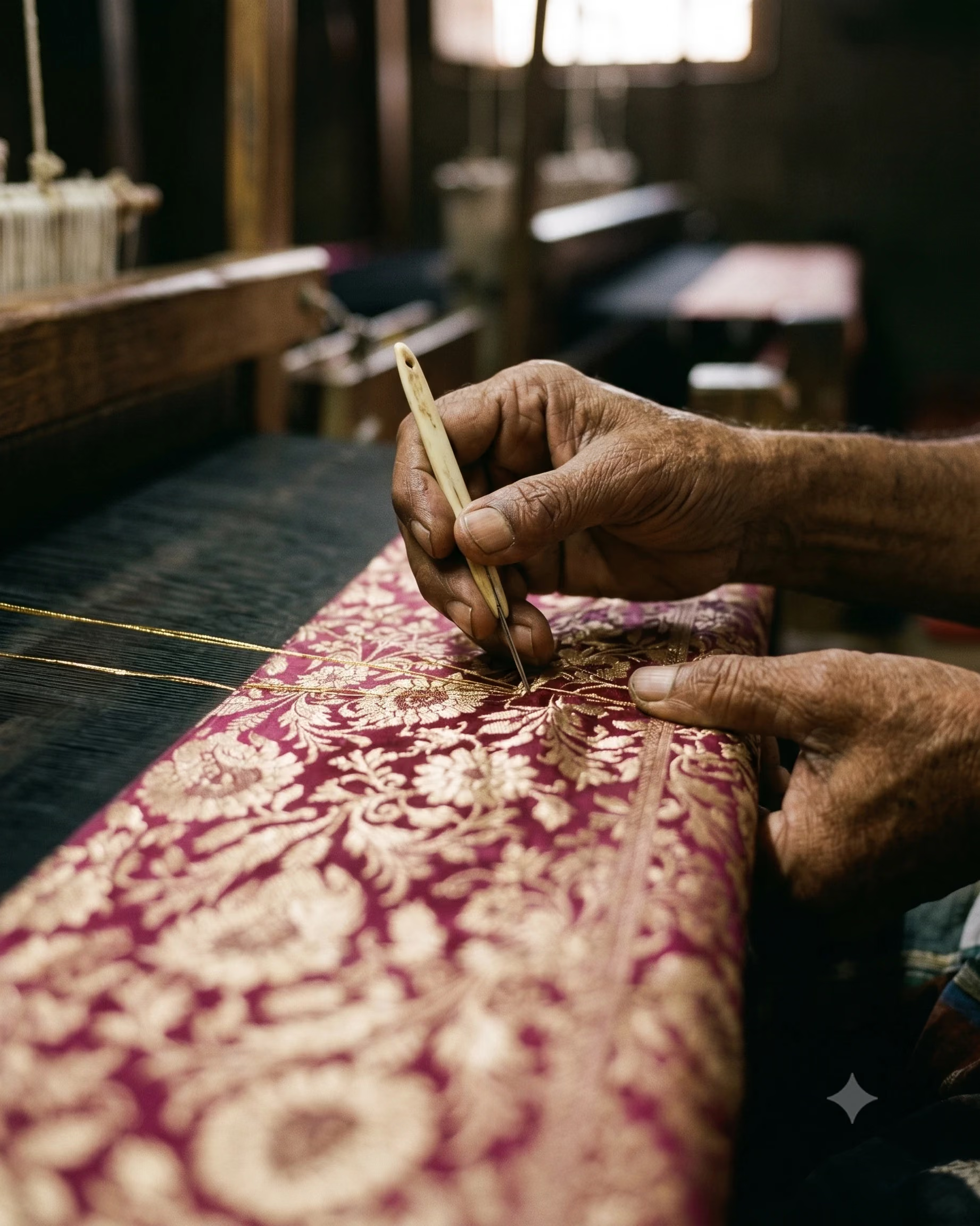
Festive silks carry memories in their threads. The Banarasi worn at a cousin's wedding, the zari dupatta from a first Diwali in a new home - these pieces outlive trends, but only if silk care begins at the very first wear.
The rules for silk and zari are simple once you know them, and cheaper to keep than any repair. This guide covers wearing, dry cleaning and storage for festive fabric, and the habit of inspecting a piece before it is stored, plus the care notes a fabric store online should give you with every order.
After the occasion: the first 48 hours
Silk absorbs whatever is in the air around it - perfume, perspiration, cooking steam. Air the outfit for a few hours as soon as the occasion ends, in shade and away from direct sun, before it goes back in the wardrobe.
Blot any spots immediately with a soft, dry cloth; never rub, and never use a wet wipe on metallic thread. If the mark remains, note it and point it out at dry cleaning rather than attempting a home remedy on festive fabric bought from any fabric store online.
Airing needs a little care of its own. Hang the piece on a padded hanger or lay it flat across a clean sheet, never on a wire hanger that can leave marks, and keep it away from the kitchen where steam and cooking fumes travel.
Dry cleaning: how often is right
Dry cleaning is effective but not free, and every cycle takes a little of the fabric's finish with it. For silks worn over a blouse or kurta, cleaning once every two or three wears is usually enough; for heavier zari pieces, once a season.
Never store a worn piece without cleaning it. Silk care has one absolute rule here: invisible oils oxidise over months and leave pale stains that appear only when the fabric is next worn. A fabric store online that sells occasion fabric should say this plainly at checkout.
Zari: keep water away
Real and tested thread
Metallic threads tarnish when damp and bruise when scrubbed. Handle them by the cloth, not the embroidery, and let dry cleaning professionals make any decisions about washing.
Imitation thread
Polyester-based threads are more forgiving but still dislike heat. If a piece is imitation, a gentle cold hand-wash is possible, though professional cleaning remains the safer route.
Tarnish and dulling
When gold work loses its shine, the cause is usually moisture in storage, not age. Improve the environment before attempting restoration, and consult a professional before any polishing.
Storage that protects
How festive fabric is stored between seasons decides its condition more than any other factor. These habits keep silk supple and zari bright, and any fabric store online that sells festive weaves should repeat them on every product page.
- Store in cotton or muslin, never sealed plastic
- Fold with acid-free tissue between embroidered layers
- Keep away from direct light, which fades and yellows
- Hang only light silk; fold everything heavy and embellished
- Add neem or cedar sachets to discourage insects
- Air the cupboard on dry days for an hour
Spot care between washings
For small issues, less is more. A light steam from a distance relaxes creases without touching the surface, and a soft brush along the nap removes surface dust from brocade and velvet.
Avoid deodorant and perfume directly on the fabric, especially near metallic thread, and give the piece ten minutes to settle before you wear it. These habits from any good fabric store online care guide prevent most of the damage we see.
Reviving a silk that has dulled
Silk dulls for two reasons: surface grime or fibre dehydration. A professional clean handles the first; the second improves with wear and gentle airing, which is why heirlooms brought out occasionally look better than pieces kept sealed in a cupboard. The same is true of anything bought from a fabric store online and then forgotten.
If a fold line has set, hang the piece in a steamy bathroom for twenty minutes, away from direct water, then press lightly on the reverse. Patience, not chemicals, revives old silk. Store the piece flat afterwards, not folded against itself along the same lines.
Buying with care in mind
When you buy festive fabric, look for listings that name the fibre and include washing guidance. A responsible fabric store online treats care notes as part of the product, not an afterthought. Silk care guidance is the mark of a store that genuinely knows its weaves.
Order from stores that photograph the actual roll, because embroidery density varies - and density decides how the piece should be cleaned and stored. Ordering from a fabric store online that states density helps you plan the care before the parcel arrives.
Care notes at Saroj Ensemble
Every festive piece sold by Saroj Ensemble through our fabric store online comes with fibre and care guidance, and the same information travels with the rolls in our five Mumbai stores. Care guidance is not legal boilerplate; it is the store telling you the truth about what the weave can take.
If you are unsure whether a piece is dry-clean-only or can take cold water, ask before you buy - a question to any fabric store online takes a minute. The team across our five Mumbai stores has handled these weaves for years, and the answer is usually a quick message or a counter conversation away.