
Buying Guide · 7 min read
Fabric Weight and GSM Explained for Online Buyers
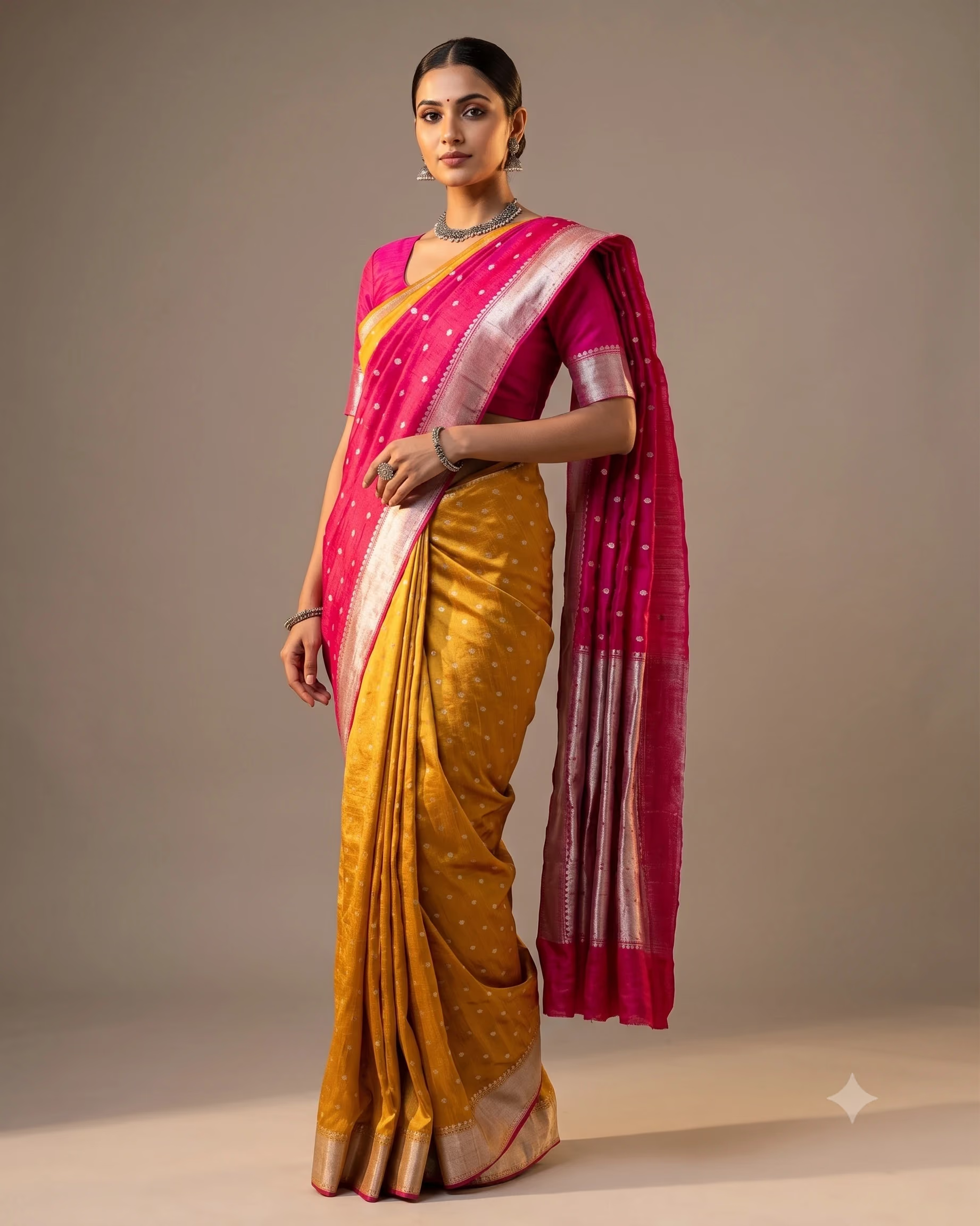
Two fabrics can share a name, a colour and a price and still behave nothing alike. The difference is weight. When you buy fabric by the metre, the number that predicts how it will fall, hold and feel is GSM - grams per square metre.
This guide explains the weight figure in plain language: what counts as light, medium and heavy, how fabric weight shapes opacity and drape, and how to use those numbers to choose well when you buy fabric by the metre.
What GSM actually measures
GSM is simply how much a square metre of fabric weighs, in grams. A chiffon at 40 grams per square metre is almost weightless; a bridal brocade at 250 grams has real substance. The number is measured, not estimated, so it is the most honest figure on a listing.
Thread count contributes, but the weight figure is broader: fibre density, weave tightness and finishing all land on the scale. That is why two silks of the same fibre can sit eighty grams apart, and why weight is the more useful guide when you buy fabric by the metre.
The weight bands, explained
Light, 40 to 70 grams
Chiffon, georgette and fine mulmul live here. They are fluid and often semi-sheer, lovely for dupattas, overlays and summer layers, but they need lining under fitted shapes.
Medium, 70 to 110 grams
The workhorse band. Chanderi, crepe, cotton satin and many suitings sit here - enough body to hold a line, enough softness to move. Most kurtas and suits are cut from this range.
Heavy, 110 grams and up
Raw silk, dupion, brocade and heavy khadi. These hold pleats, sculpt lehengas and carry embroidery without sagging. The trade-off is warmth and weight on the body.
Opacity: what shows through
Light travels through open weave far more easily than through dense cloth, so opacity follows fabric weight closely. A 50 gram georgette is see-through in most lights; at 80 grams the same weave reads nearly opaque.
The consequence matters at the cutting table. If a fabric is semi-sheer, the lining, the petticoat or the inner layer becomes part of the design, and it needs to be ordered with the main length when you buy fabric by the metre. Judge opacity in daylight before committing, because backlight behaves differently from indoor light.
Drape: how weight meets movement
Drape is the personality of the fabric - how it hangs, swings and folds. Heavier cloth falls in deep, deliberate lines; lighter cloth floats and catches every breeze. Neither is better; they suit different silhouettes and different moments.
Here is the useful rule: garment shape should follow drape, not fight it. An A-line kurta celebrates a fluid 60 gram georgette, while a structured jacket needs a firmer 150 gram weave. When you buy fabric by the metre, match the weight to the shape you want, not the other way round.
Matching weight to the garment
Use this short table as a starting point, then adjust for the season and your tailor's advice. When you buy fabric by the metre, this is the decision that prevents the most remakes.
- Dupattas and overlays: 40 to 60 grams, sheer and fluid
- Kurtas and tunics: 70 to 100 grams, with body to hold shape
- Suit sets and anarkalis: 80 to 120 grams, structured but movable
- Lehengas and pleated skirts: 120 to 200 grams, ready to hold volume
- Blouses and linings: 60 to 90 grams, smooth against the skin
- Winter layers: 150 grams and above, warm with real substance
Reading a listing when the figure is missing
Not every store publishes weight, and some weaves are sold by traditional names that carry no number. In that case, look for adjectives that map to weight: whisper-light, crisp, substantial, heavy. Ask the store to share the approximate figure in writing - anyone about to buy fabric by the metre deserves that much.
Photographs help too. A roll that stands in stiff folds is likely heavy; one that pools softly is light. If a listing shows several colours draped over a chair, read the fall of each fold as a clue to fabric weight.
Why weight matters more when you buy fabric by the metre
In a stitched garment, weight is chosen for you. When you buy fabric by the metre, it becomes your decision - and one that shows up immediately at the tailor, in the fit, the fall and the amount of lining required.
Order the wrong weight and nothing downstream can fully rescue the outfit. Order the right one and even simple tailoring looks considered. This is why we put the approximate figure on our listings, and why we ask what you plan to make before we cut.
Shop by weight at Saroj Ensemble
At Saroj Ensemble our racks are arranged so you can feel the difference: mulmul next to chanderi, georgette next to raw silk. Buy fabric by the metre online, or visit any of our five Mumbai stores and hold two weights side by side - the lesson lands faster that way.
Every listing on our fabric store online states the approximate weight where the weave allows it, and the floor team at our Mumbai stores is happy to explain what each number means before you buy fabric by the metre.