
Weave Guide · 6 min read
Tussar and Raw Silk: Textured Weaves for Occasion Wear
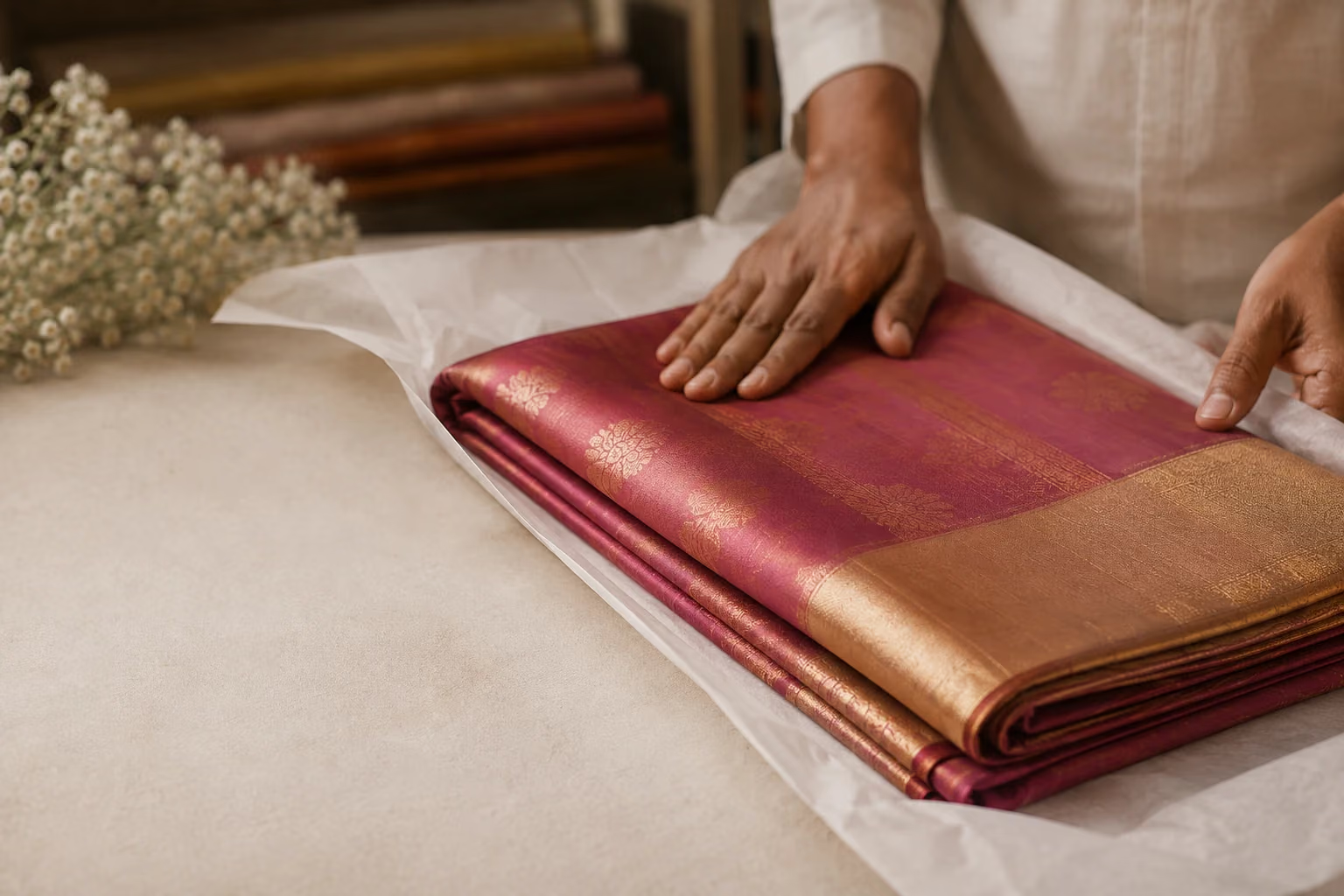
Tussar and raw silk share a family resemblance: both are textured, both have a natural matte-gold depth, and both turn simple silhouettes into celebration dressing. They are, however, two different fabrics with different personalities, and choosing between them changes how an outfit moves and photographs.
If you are planning a festive outfit and intend to buy fabric by the metre, the decision comes down to texture, weight and how much structure you want. Here is how to tell the two silks apart, what to check in a listing, and how to care for them so they last.
Two weaves, two characters
Tussar silk comes from wild silkworms, and its yarn is coarser and more irregular, which gives the cloth a honeyed tone and a soft, grainy surface that catches light unevenly. Raw silk is finer and smoother but keeps a slight slub, so it holds a quiet sheen rather than a high shine.
Both are wonderful for occasion wear because they photograph with depth rather than glare, and both soften with wear into something more personal than a polished satin becomes. That is why the fabric by the metre buyer who wants character rather than gloss chooses them over shinier weaves.
Texture and weight, explained
Tussar
This silk feels dry and lightly textured, with a golden cast even before dyeing, which is where much of its warmth comes from. It is medium in weight, holds shape well and takes embroidery - especially zari and thread work - beautifully.
Because the yarn is naturally irregular, texture hides small imperfections and the cloth ages gracefully. If you want fabric that looks handmade rather than machined, this is the reason to buy fabric by the metre in tussar.
Raw silk
Raw silk is smoother and more regular, with a subtle slub that catches light along the weave. It is often chosen for structured pieces - jackets, corset blouses, tailored kurtas - where a clean line matters more than surface interest.
A metre of good raw silk has a satisfying weight in the hand, and it drapes with a firmness that keeps pleats crisp and collars standing through a long event.
Choosing for occasion wear
For lehengas, anarkalis and heavy dupattas, tussar brings richness without shine when you buy fabric by the metre. For evening blouses, jackets and structured skirts, raw silk gives the sharper finish. Both take dye in earthy tones - gold, rust, olive, teal - that flatter Indian skin.
Consider the season too: tussar in winter functions looks especially warm, while raw silk wears comfortably through the year. Either way, order the lining and the main fabric together so the shades match from the same batch.
What to check in a listing
- Fibre content: pure silk, blend or viscose-mixed.
- Approximate weight in grams per metre.
- Whether the colour is natural or dyed.
- Full-width photographs taken in daylight.
- The price unit, and the minimum order length.
Embellishment and finishing
Embroidery
Tussar is a natural host for zari, thread and mirror work, because the textured ground holds stitch and thread in place. It is the best fabric by the metre find for hand-worked designs that need a matte, rich background rather than a slippery one. Choose patterns with open space so the embroidery can breathe, since dense work can overwhelm a textured ground.
Colour and dye
The golden base of tussar deepens every dye, so olive, mustard and rust look especially rich on it. Raw silk and its smoother cousins take dye more evenly, which suits cool tones and sharp contrast borders, and makes it easy to buy fabric by the metre in matching shades for a full set.
Care and longevity
Dry-clean both, or hand-wash plain pieces cold if the listing allows. Store folded in muslin, away from direct light, and air after wearing - a fabric by the metre purchase like this behaves like an heirloom when it is looked after. Texture disguises creasing well, while raw silk presses smooth with a low iron.
Both fabrics reward good storage for decades, and a tussar outfit kept for occasion wear can come out of the cupboard looking as rich as the day it was bought. A tussar dupatta bought for one wedding can easily serve the next generation if it is kept dry, dark and folded away from metal hangers that might stain it. Fold with tissue between embroidered layers, and check each piece once a season for signs of damp.
Buying fabric by the metre at Saroj Ensemble
Saroj Ensemble carries tussar, tussar embroideries and raw silk beside our Banarasi and chanderi ranges, with the fibre and weight named on every listing. You can buy fabric by the metre online with delivery across India, or see the textures in person at our five Mumbai stores.
Textured silk is a fabric you should meet in daylight if you can. Visit us in Mumbai to hold both, or buy fabric by the metre from Saroj Ensemble online and start with a metre before committing to the full outfit.